Kalka Institute for Research and Advanced Studies
Kalka Institute for Research and Advanced Studies, is a Premier Nursing institution located on Partapur Bypass in Meerut, Uttar Pradesh, and is part of the Kalka Group of Institutions managed by the Kalka Educational Society. It was established in 2013 and provides education and training in nursing disciplines. The college offers key nursing programs such as B.Sc. Nursing, Diploma in General Nursing and Midwifery (GNM), and Auxiliary Nurse Midwifery (ANM) to prepare students for careers in healthcare and patient care services.
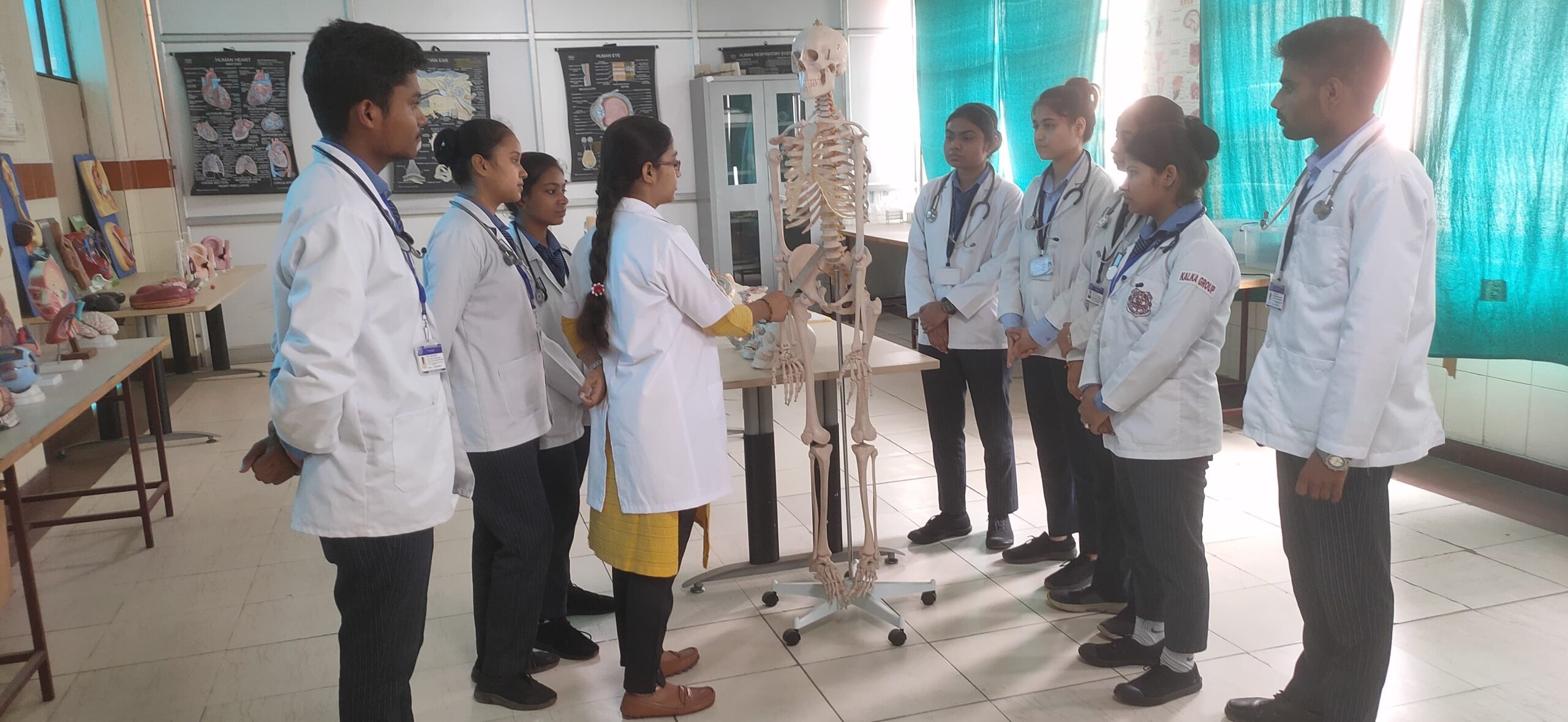
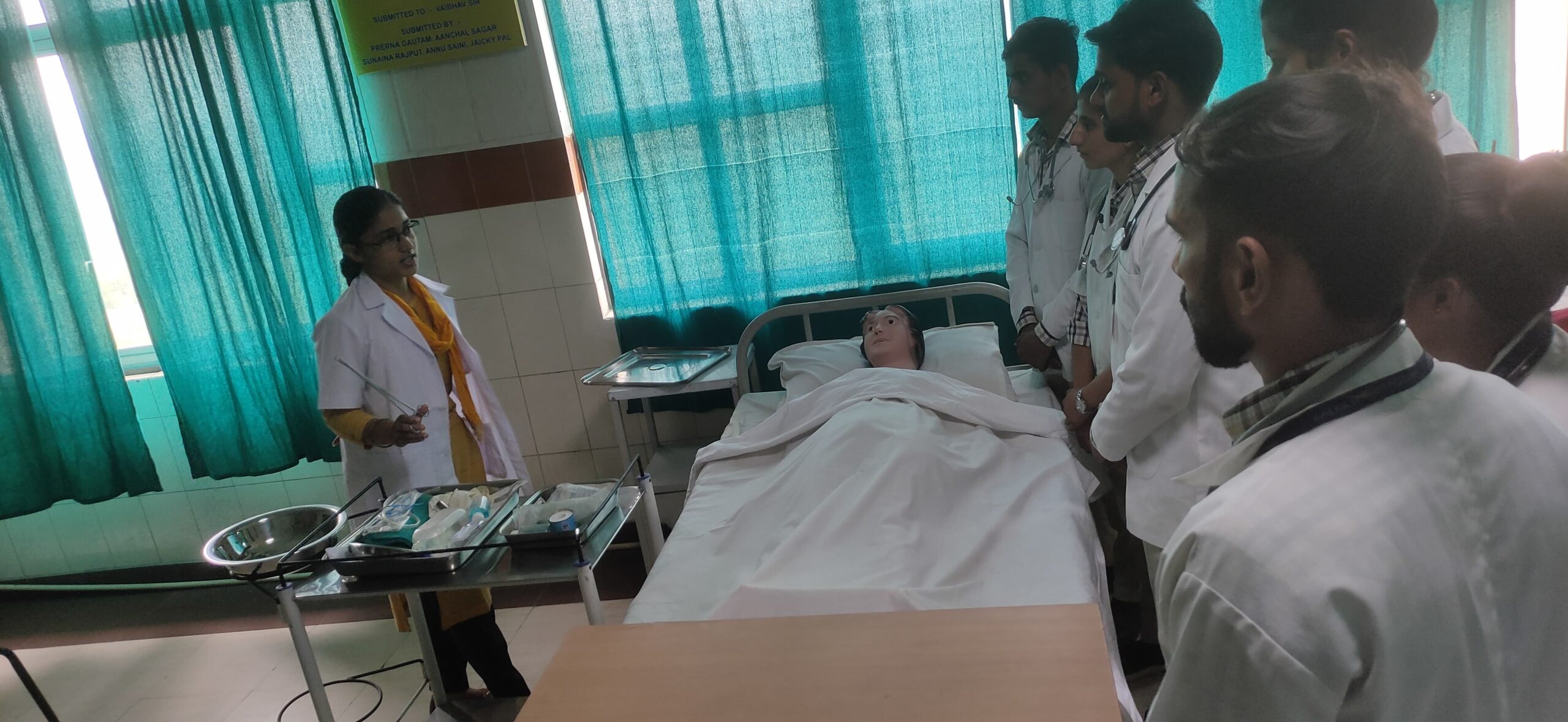
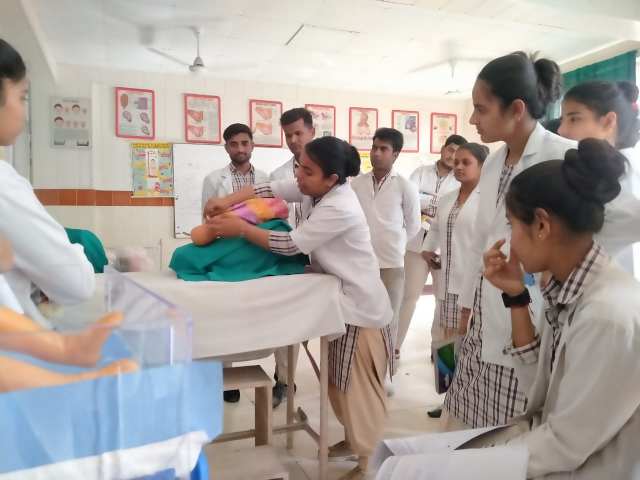
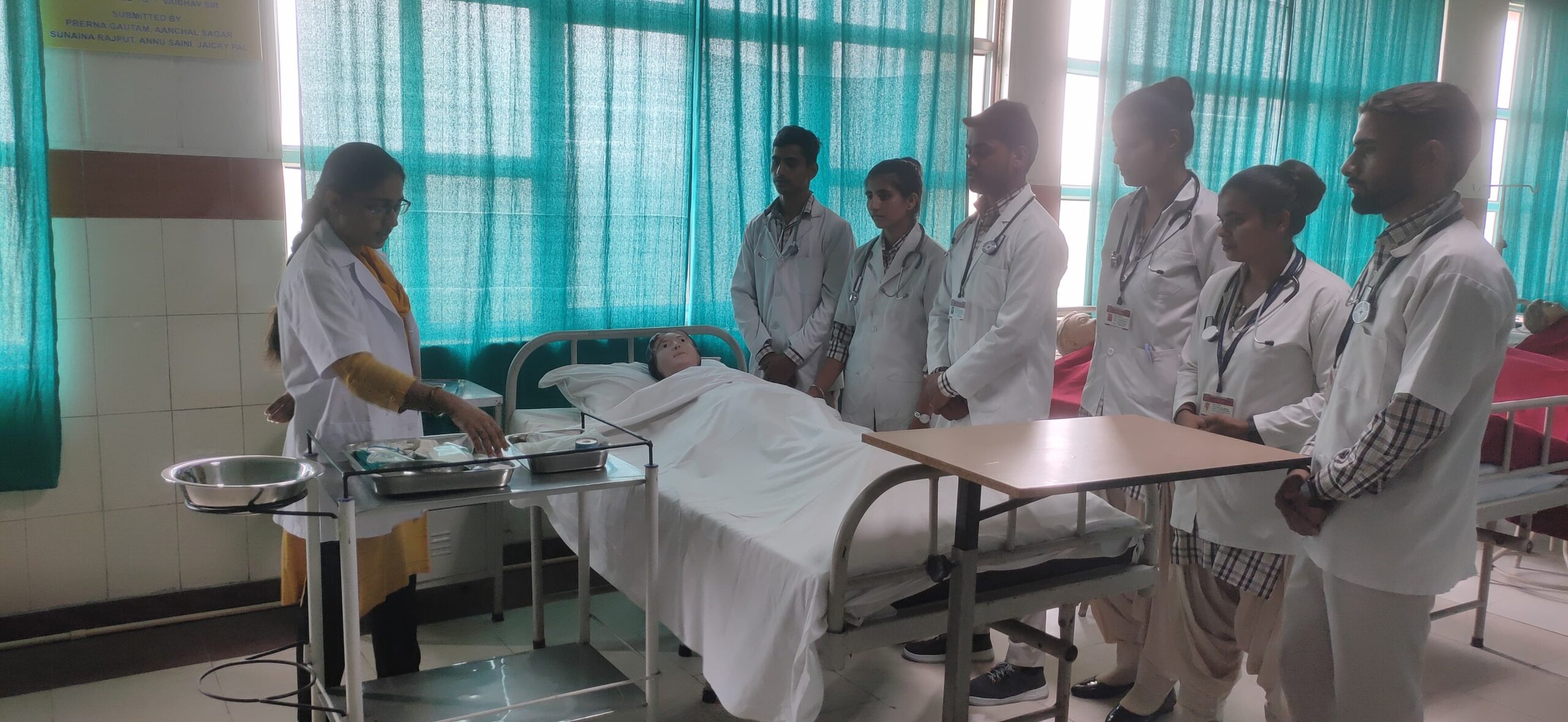
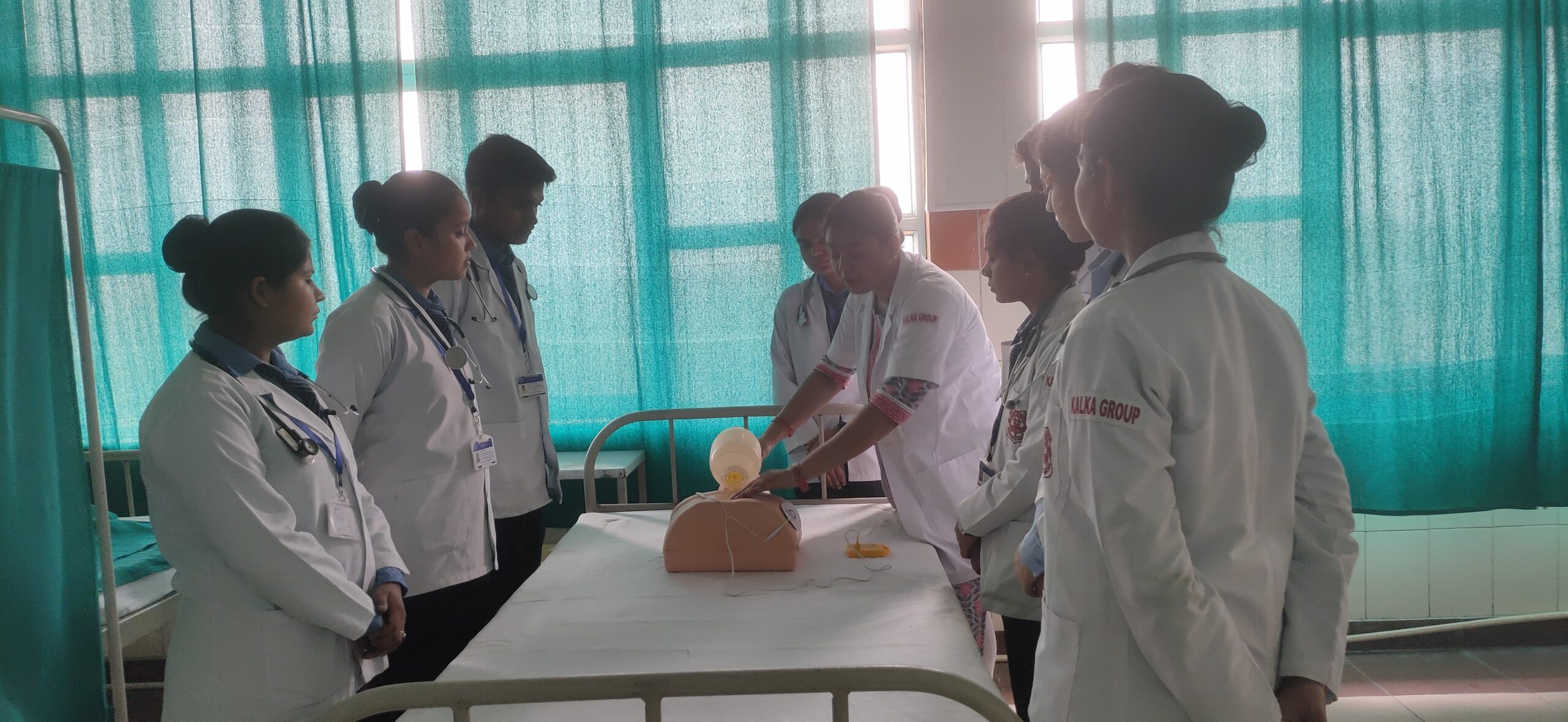
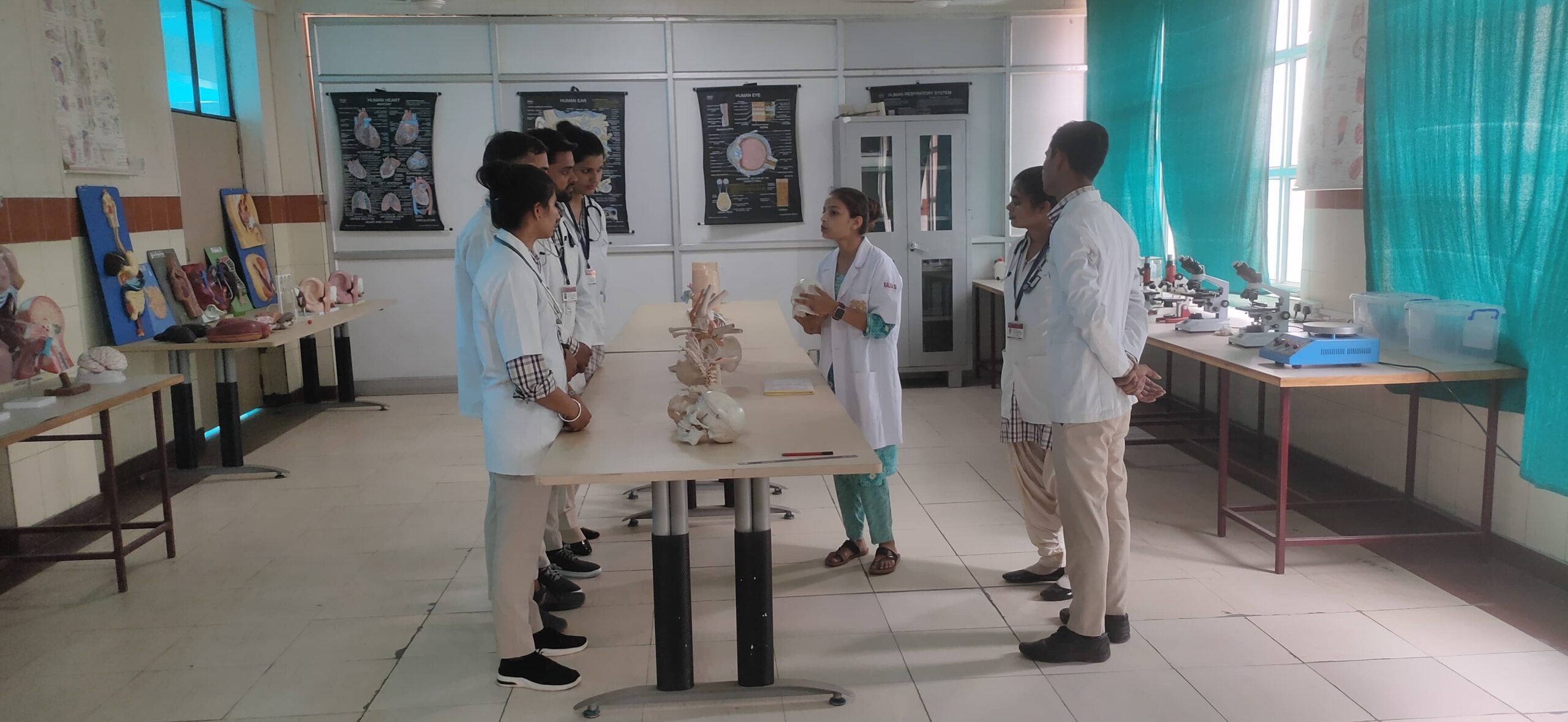
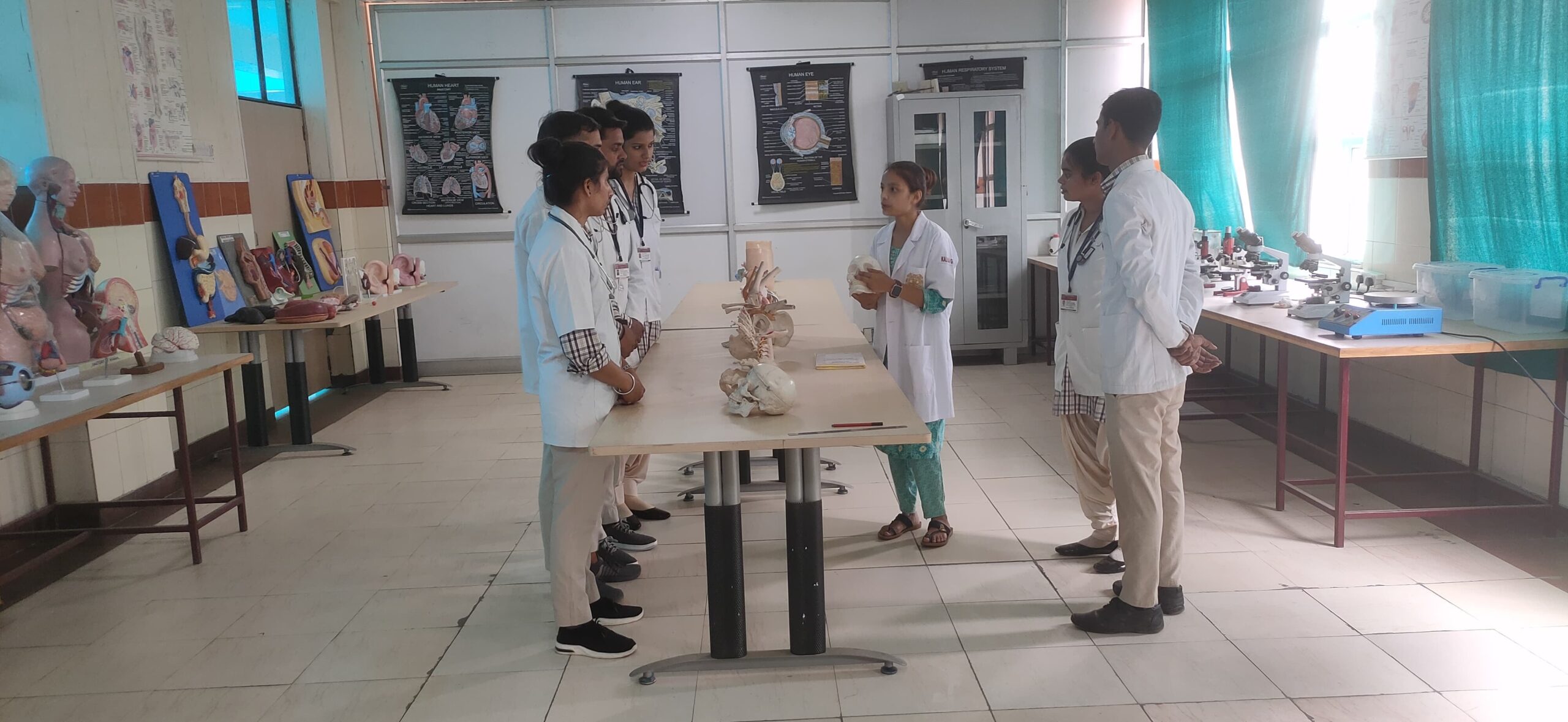
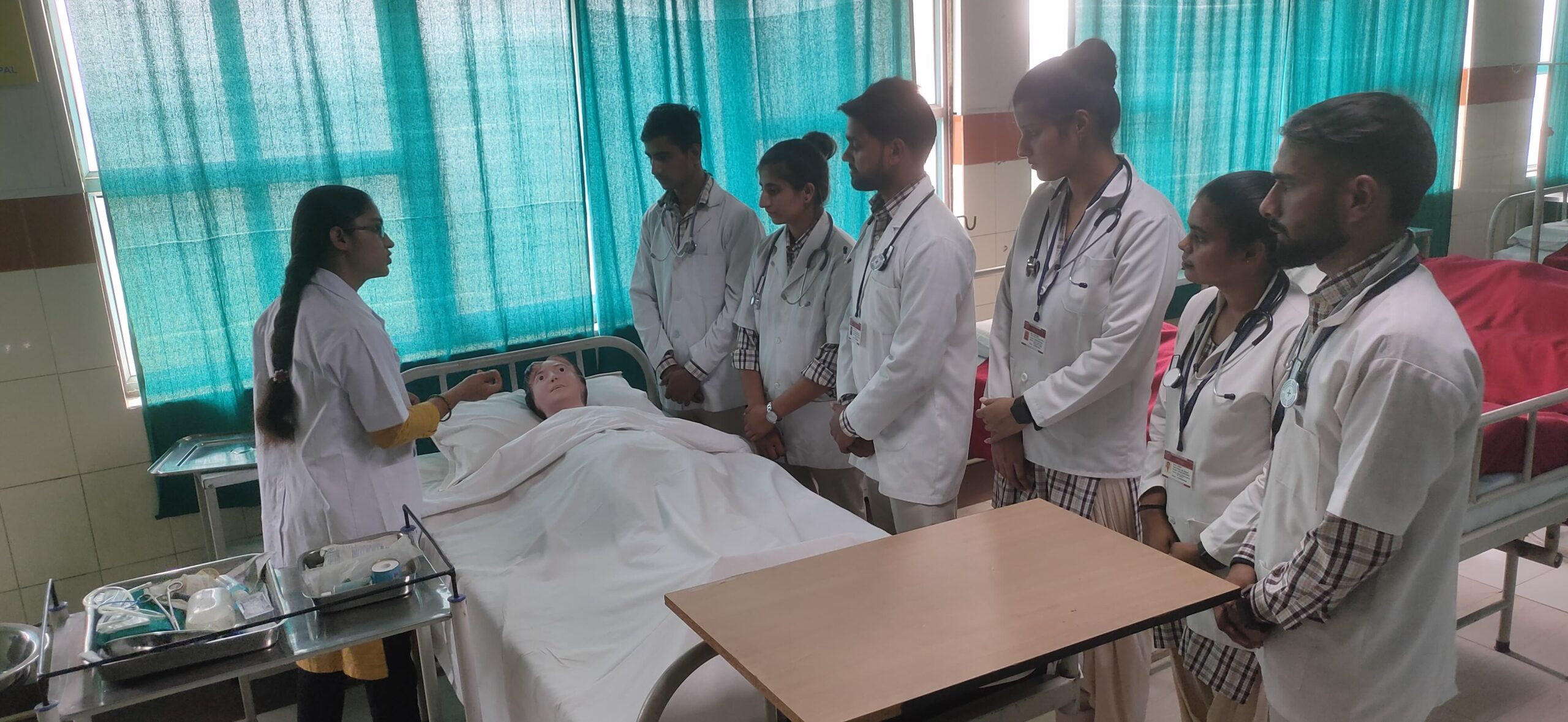
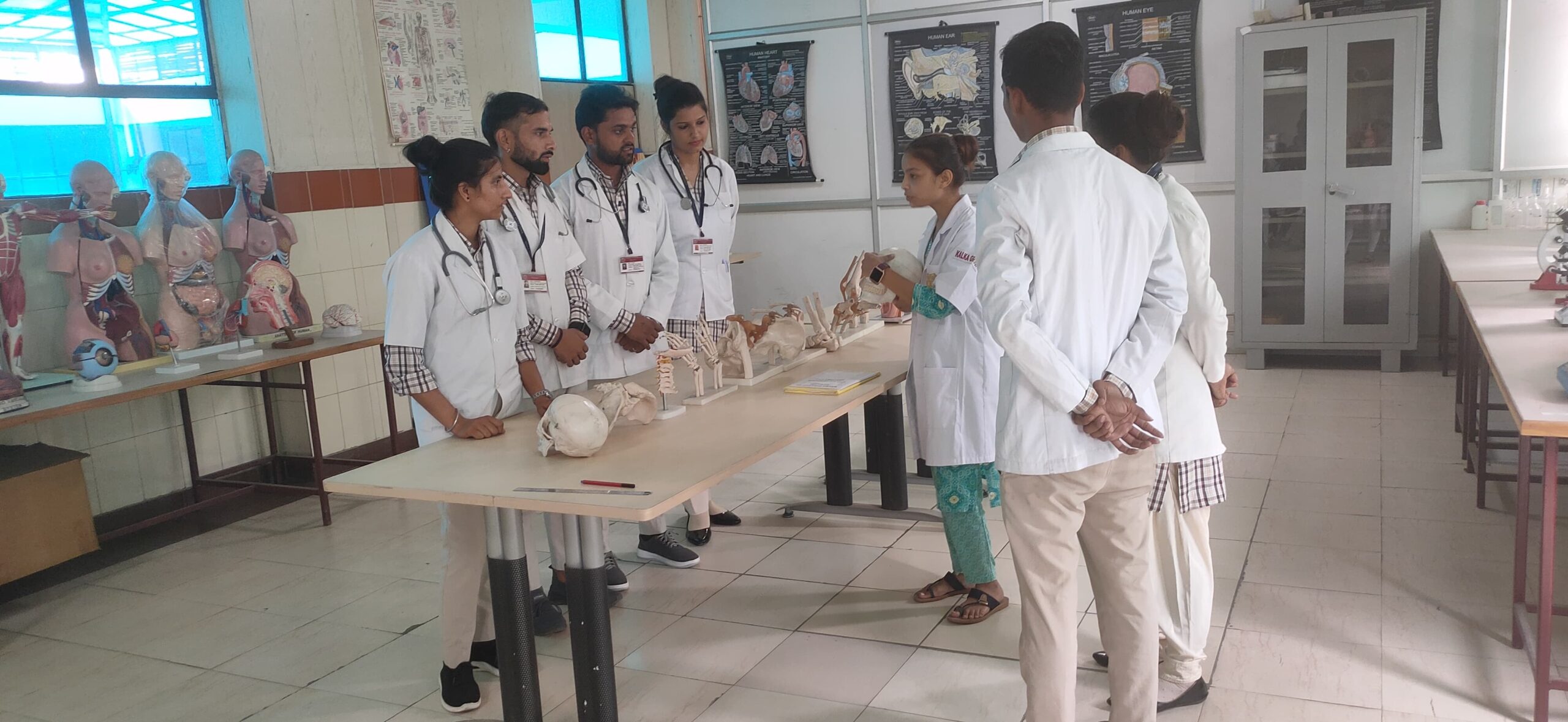
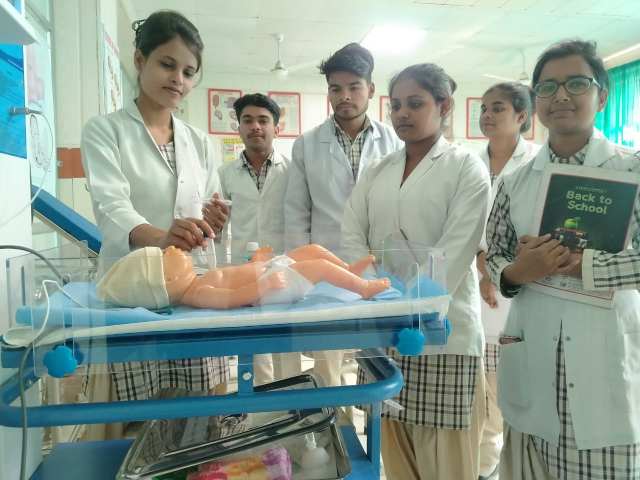
The institution focuses on quality nursing education, practical clinical exposure, and overall development of students, supported by facilities like laboratories, such as Community Health Nursing lab, Foundation of Nursing lab, Pre-clinical lab, Child health Nursing lab, Advanced skill lab, Nutrition lab, Obstetrics and Gynecological Nursing lab, A.V aids & Computer Lab, library hostel accommodation for both boys and girls, and sports and seminar halls.
Kalka Institute for Research and Advanced Studies is affiliated with relevant nursing councils and universities (Indian Nursing Council, U.P State Medical faculty, Atal Bihari Vajpayee Medical Faculty and Choudhary Charan Singh University and aims to equip graduates with the skills needed to serve in hospitals, healthcare centers, and community health settings.

Vision
We believe that even a common man be privileged with normal living and facilities especially in the field of health and education, which are far, form the reach of the community, particularly belonging to remote areas.
Mission
Our organization is committed to the welfare of ailing society, rehabilitation of handicapped people to lead a normal life, educate the young generation in the health sector to provide quality care to patients, develop their career as the best health care providers, and offer the best health services to needy people form weaker sections of society.
Goal
We are determined to achieve excellence in the healthcare sector and education, especially for the underprivileged. Our aim is to bring the latest global healthcare technologies and practices to Meerut, and to train professional in medical, nursing, and paramedical sciences who can serve with both competence and compassion.
Campus Facilities & Infrastructure
• Well-equipped classrooms and learning spaces for regular teaching.
• Library facility with books and study material for nursing students.
• IT infrastructure to support computer learning and access to digital resources.
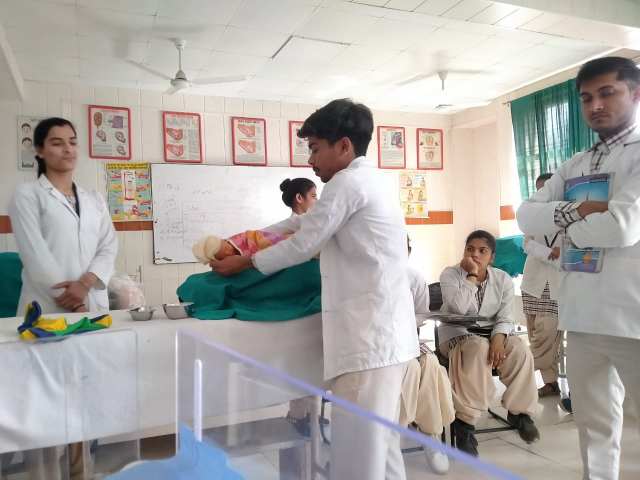
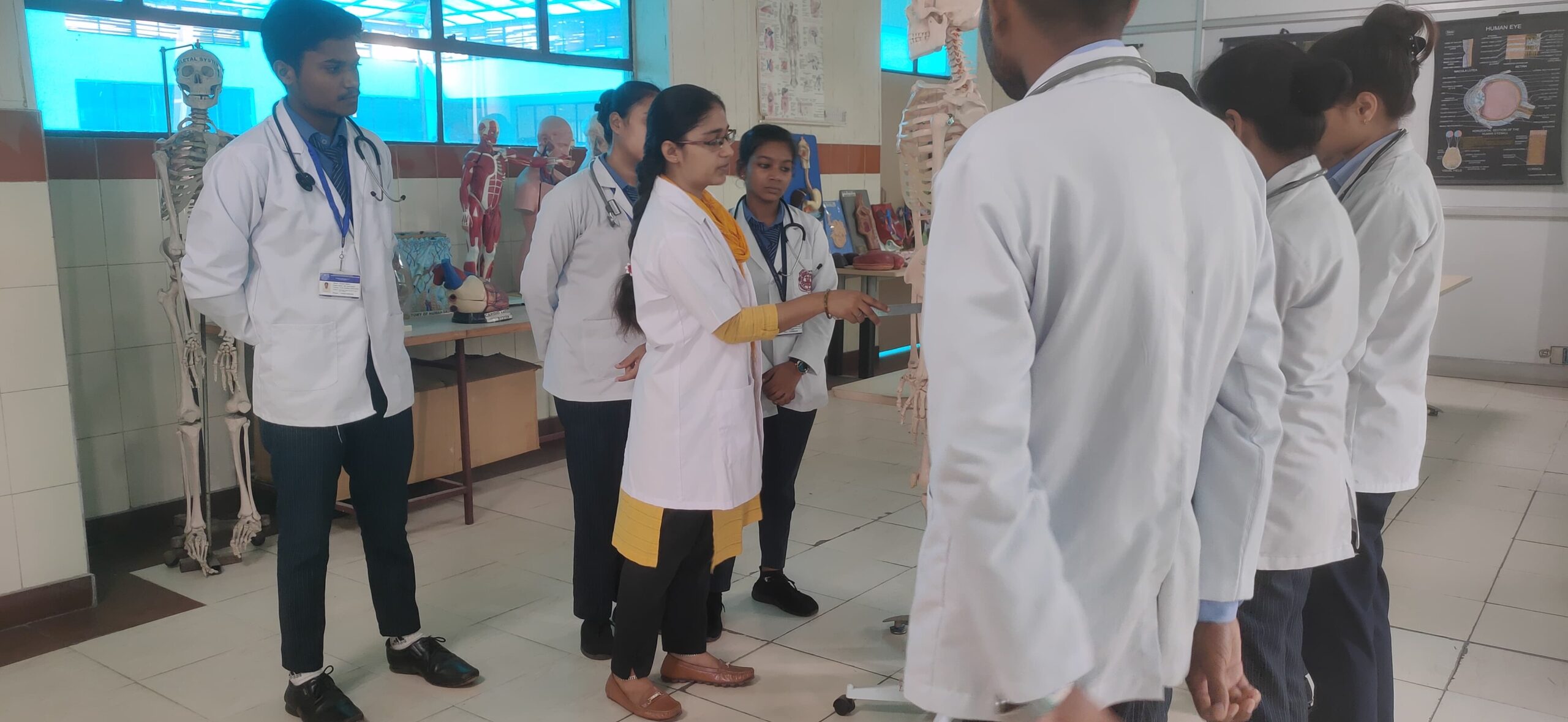
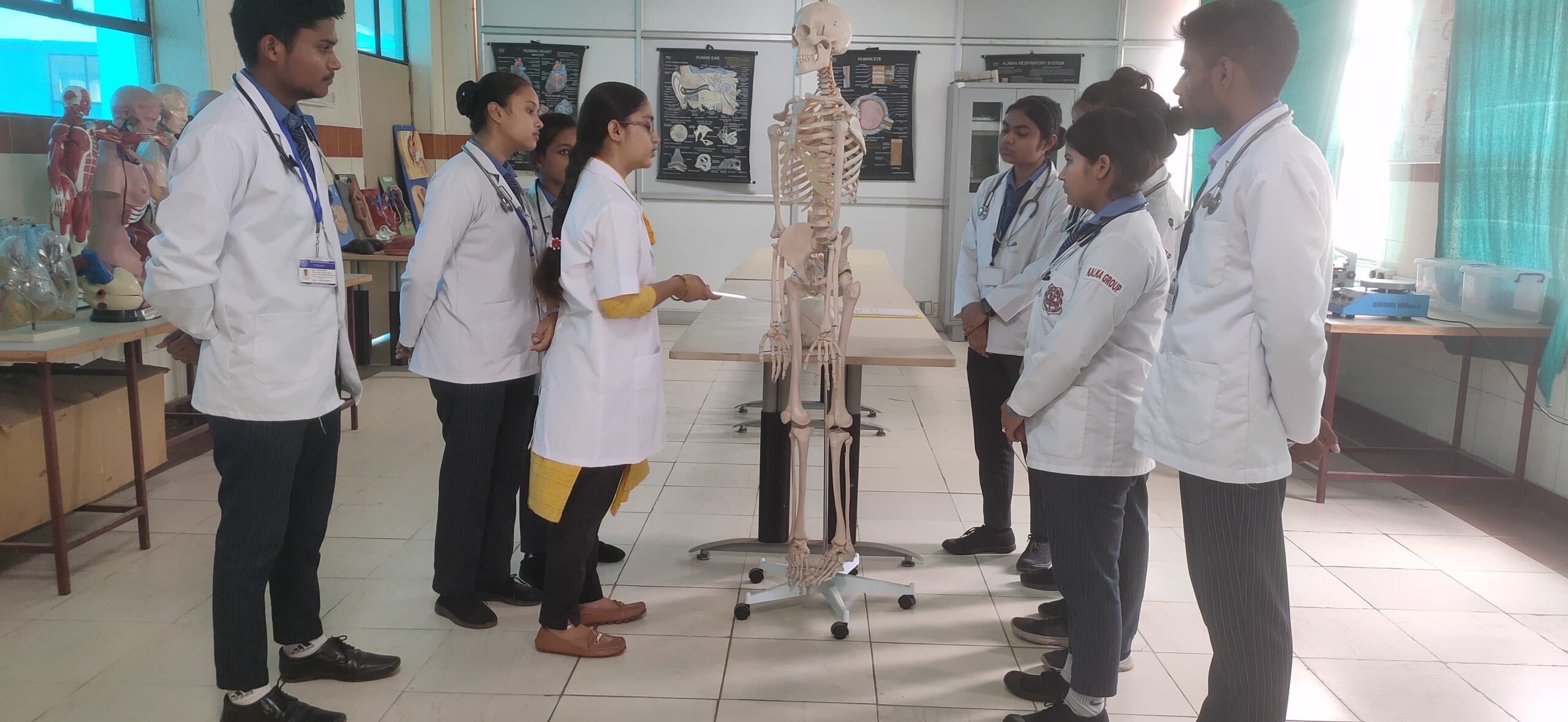
• Departmental laboratories where students get practical training essential for nursing skills.
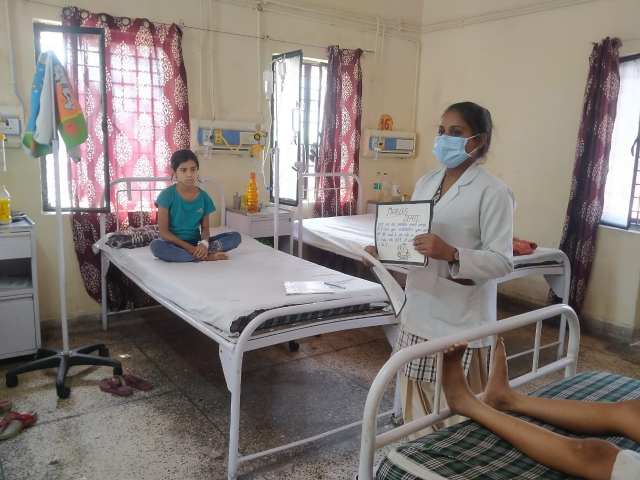
Practical exposure through clinical learning as part of the nursing curriculum.
Accommodation & Student Support
Separate hostels for boys and girls with accommodation facilities.
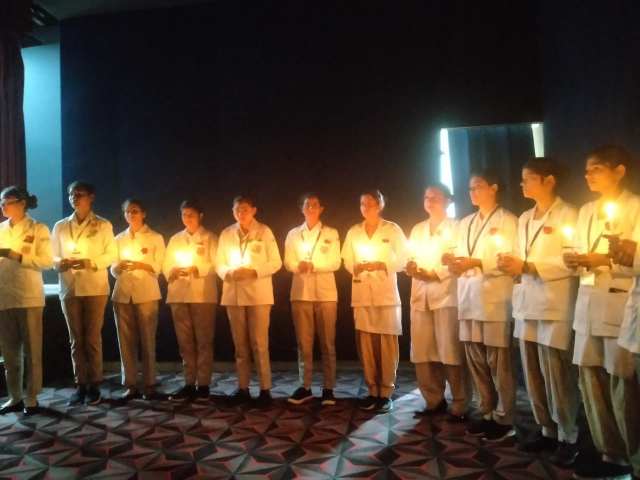
• Auditorium for seminars, events, and student activities.
• Guest room / waiting room for visiting faculty or parents.
• Sports facilities on campus for physical activities and recreation.
Course Outcome
After successful completion of the Auxiliary Nurse Midwifery (ANM) course, the student will be able to:
- CO1: Provide basic nursing care to individuals, families, and communities.
- CO2: Assess health needs and identify common health problems at the community level.
- CO3: Provide maternal and child health services, including antenatal, intranatal, postnatal, and newborn care.
- CO4: Assist in normal delivery and provide essential care to the mother and newborn.
- CO5: Provide family welfare and reproductive health services, including counselling and family planning.
- CO6: Administer medicines and vaccines safely according to prescribed protocols.
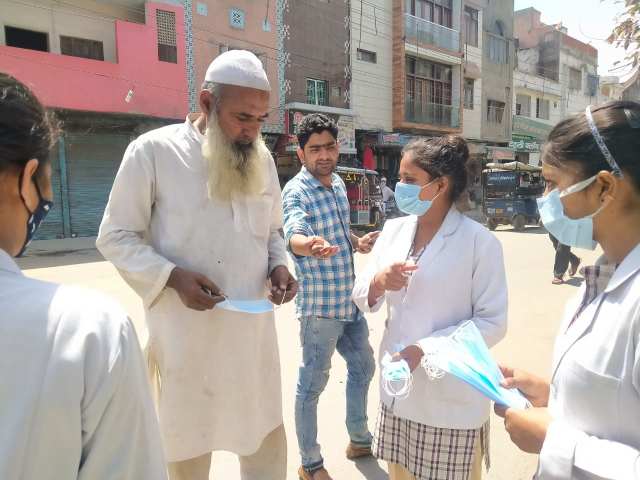
- CO7: Promote immunization, nutrition, sanitation, and healthy lifestyles in the community.
- CO8: Identify danger signs and emergencies and provide appropriate first aid/referral.
- CO9: Maintain accurate nursing records and reports and communicate effectively with the healthcare team.
- CO10: Participate in national health programmes and community-based healthcare activities.
- CO11: Demonstrate professional, ethical, and compassionate behaviour while providing nursing care.
- CO12: Promote health and prevent disease through health education and community participation.
After completion of the B.Sc. Nursing course, the student will be able to:
- CO1: Explain the fundamental concepts of nursing, anatomy, physiology, microbiology, nutrition, psychology, and sociology relevant to nursing practice
- CO2: Apply the nursing process to assess, plan, implement, and evaluate care for individuals, families, and communities
- CO3: Demonstrate competent nursing skills in providing safe, holistic, and evidence-based patient care
- CO4: Provide appropriate nursing care to patients with medical, surgical, maternal, neonatal, pediatric, psychiatric, and community health problems
- CO5: Demonstrate effective communication and interpersonal skills with patients, families, and healthcare professionals
- CO6: Apply principles of pharmacology, nutrition, infection prevention, and patient safety in clinical practice
- CO7: Demonstrate critical thinking, clinical reasoning, and decision-making skills in nursing situations
- CO8: Apply principles of leadership, management, delegation, and supervision in nursing services
- CO9: Demonstrate understanding and application of nursing research and evidence-based practice
- CO10: Practice nursing according to professional, ethical, legal, and regulatory standards
- CO11: Demonstrate ability to provide health education, counselling, disease prevention, and health promotion
- CO12: Develop professional competence, accountability, and commitment to lifelong learning and continuous professional development
After successful completion of the General Nursing and Midwifery (GNM) course, the student will be able to:
- CO1: Apply knowledge of nursing, medical, biological, behavioral, and social sciences in providing patient care.
- CO2: Demonstrate competence in assessing, planning, implementing, and evaluating individualized nursing care.
- CO3: Provide safe and holistic care to individuals, families, and communities across different stages of life.
- CO4: Demonstrate competency in medical-surgical, maternal and child health, mental health, and community health nursing.
- CO5: Provide appropriate antenatal, intranatal, postnatal, newborn, and family welfare services.
- CO6: Apply principles of health promotion, disease prevention, nutrition, sanitation, and community participation.
- CO7: Demonstrate effective communication, interpersonal skills, teamwork, and professional relationships.
- CO8: Demonstrate ethical, legal, professional, and accountable behavior in nursing practice.
- CO9: Provide appropriate care during emergencies and demonstrate basic life-support and first-aid skills.
- CO10: Maintain accurate nursing documentation, records, reports, and confidentiality of patient information.
- CO11: Apply critical thinking, problem-solving, and evidence-based practices in nursing care.
- CO12: Demonstrate leadership, management, supervision, delegation, and organizational skills in healthcare settings.
- CO13: Participate in nursing research, quality improvement, and continuing professional development.
- CO14: Demonstrate competency to function effectively as a professional nurse and midwife in hospitals, community settings, and other healthcare institutions.
Programme Outcomes
After successful completion of the ANM (Auxiliary Nurse Midwifery) programme, the student will be able to:
- PO1: Provide basic nursing care to individuals, families, and communities in different healthcare settings.
- PO2: Assess health needs and identify common health problems at the individual and community level.
- PO3: Provide maternal and child health services, including antenatal, intranatal, postnatal and newborn care.
- PO4: Promote reproductive and sexual health and provide family planning services.
- PO5: Assist in the prevention and control of communicable and non-communicable diseases.
- PO6: Provide health education regarding nutrition, hygiene, sanitation, immunization and healthy lifestyles.
- PO7: Administer medicines and treatments safely according to prescribed instructions and nursing standards.
- PO8: Maintain accurate nursing records and reports and communicate effectively with the healthcare team.
- PO9: Participate in national health programmes and community-based healthcare activities.
- PO10: Provide first aid and emergency care and recognize situations requiring referral.
- PO11: Demonstrate professional, ethical and compassionate behaviour while providing nursing care.
- PO12: Work effectively with patients, families, communities and the multidisciplinary healthcare team.
- PO13: Practice infection prevention and control and maintain a safe healthcare environment.
- PO14: Demonstrate basic leadership and organizational skills in nursing and community health services.
- PO15: Use available resources appropriately and contribute to improving the quality of healthcare services.
After completion of the B.Sc. Nursing course, the student will be able to:
- PO1: Provide safe and competent nursing care to individuals, families, and communities across all age groups.
- PO2: Apply nursing knowledge and skills in medical-surgical, maternal and child health, mental health, and community health settings.
- PO3: Use the nursing process to assess, diagnose, plan, implement, and evaluate patient care.
- PO4: Demonstrate effective communication with patients, families, healthcare professionals, and the community.
- PO5: Promote health and prevent disease through health education, counselling, and community-based interventions
- PO6: Demonstrate professional and ethical practice while respecting patients' dignity, rights, privacy, and cultural values.
- PO7: Apply evidence-based practice and current scientific knowledge to improve nursing care.
- PO8: Demonstrate leadership and management skills in organizing and coordinating nursing services.
- PO9: Use critical thinking and clinical decision-making skills in managing patients and healthcare problems.
- PO10: Provide emergency and critical care using appropriate nursing interventions and life-saving measures.
- PO11: Participate in research activities and use research findings to improve nursing practice.
- PO12: Utilize information technology and healthcare resources effectively in nursing practice.
- PO13: Work effectively as a member of the multidisciplinary healthcare team.
- PO14: Demonstrate lifelong learning and professional development to maintain and improve competence.
- PO15: Contribute to improving community health and achieving national health goals.
After successful completion of the General Nursing and Midwifery (GNM) programme, the student will be able to:
- PO1: Provide safe and competent nursing care to individuals, families, and communities in various healthcare settings.
- PO2: Apply knowledge of nursing sciences in the prevention, treatment, rehabilitation, and promotion of health.
- PO3: Assess patients systematically and identify actual and potential health problems.
- PO4: Plan, implement, and evaluate nursing care according to individual patient needs.
- PO5: Demonstrate clinical skills in medical-surgical, maternal and child health, mental health, and community health nursing.
- PO6: Provide comprehensive maternal and newborn care, including antenatal, intranatal, postnatal, and neonatal care.
- PO7: Promote health and prevent diseases through health education, immunization, nutrition, and community-based interventions.
- PO8: Communicate effectively with patients, families, healthcare professionals, and the community.
- PO9: Demonstrate ethical and professional behavior, accountability, compassion, and respect for patient rights.
- PO10: Use evidence-based practices and critical thinking in nursing care and decision-making.
- PO11: Respond effectively to emergencies and provide appropriate first aid and basic life-support measures.
- PO12: Participate in nursing administration and management, including supervision, delegation, documentation, and teamwork.
- PO13: Maintain accurate nursing records and reports while ensuring confidentiality.
- PO14: Participate in research and quality-improvement activities to enhance nursing practice.
- PO15: Develop lifelong learning skills and remain updated with advances in nursing and healthcare.
Faculty of Nursing

Dr. Daisy Philip
PRINCIPAL

Mr. Aamir khan
M.SC

Ms. Divya
NURSING TUTOR

Ms. Komal
NURSING TUTOR

Ms. Mansi
NURSING TUTOR

Ms. Nandini Yadav
NURSING TUTOR

Ms. Neha Duhoon
NURSING TUTOR

Ms. Priya Baba
NURSING TUTOR

Mr. Rahul Kindiara
ASSISTANT PROFESSOR

Mr. Shahroz
NURSING TUTOR

Mr. Shiv Kumar
NURSING TUTOR

Ms. Umang Chaudhary
NURSING TUTOR